Stamped Asphalt Driveway Installation Tips
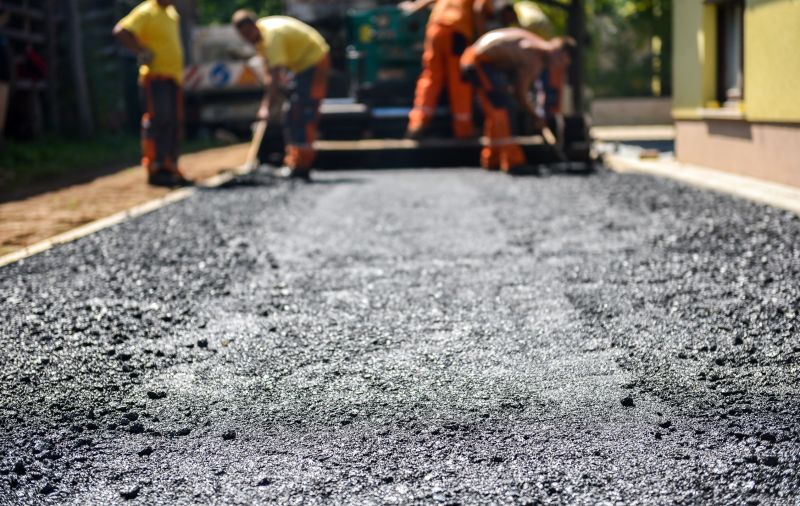
Spring offers moderate temperatures ideal for asphalt work, reducing the risk of cracking and ensuring proper curing.
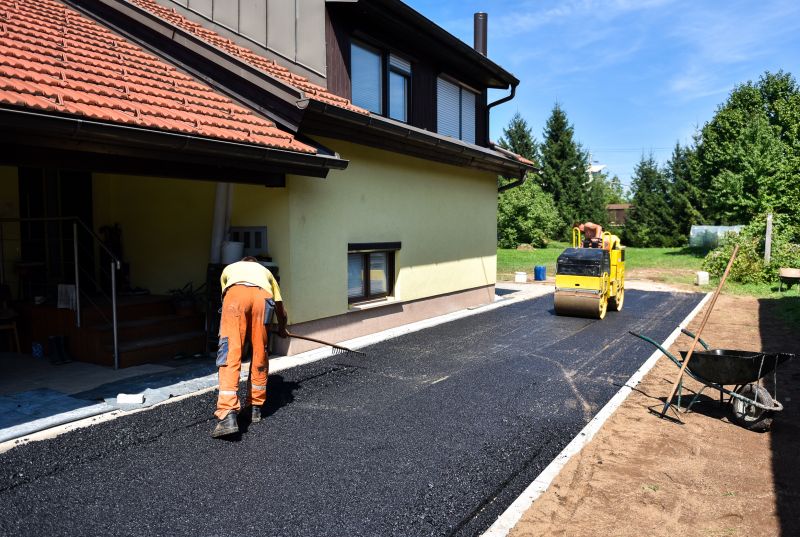
Summer provides longer daylight hours and warmer weather, but high temperatures can affect asphalt setting if not managed properly.
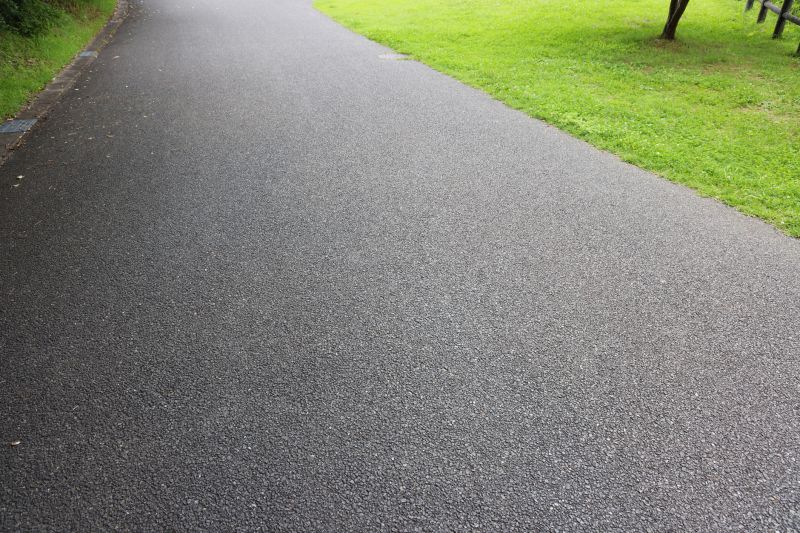
Fall's cooler temperatures help with asphalt curing, but early frosts can delay or complicate installation.
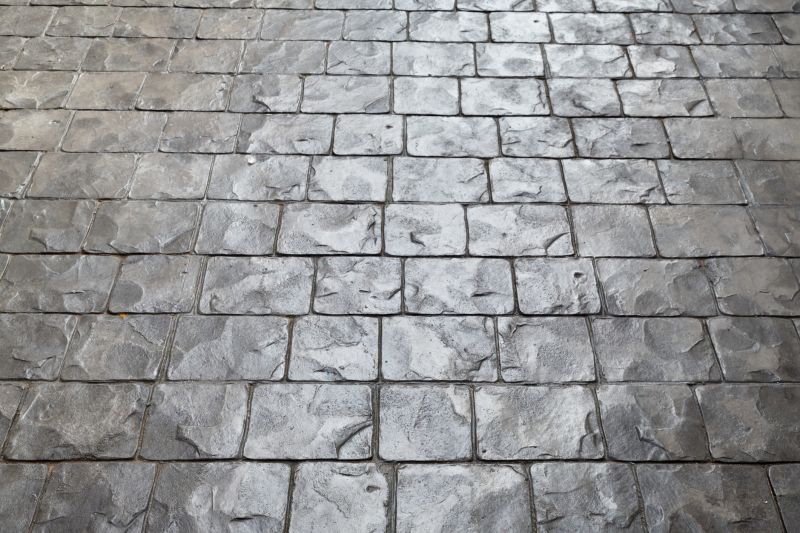
Ways to make Stamped Asphalt Driveway Installations work in tight or awkward layouts.
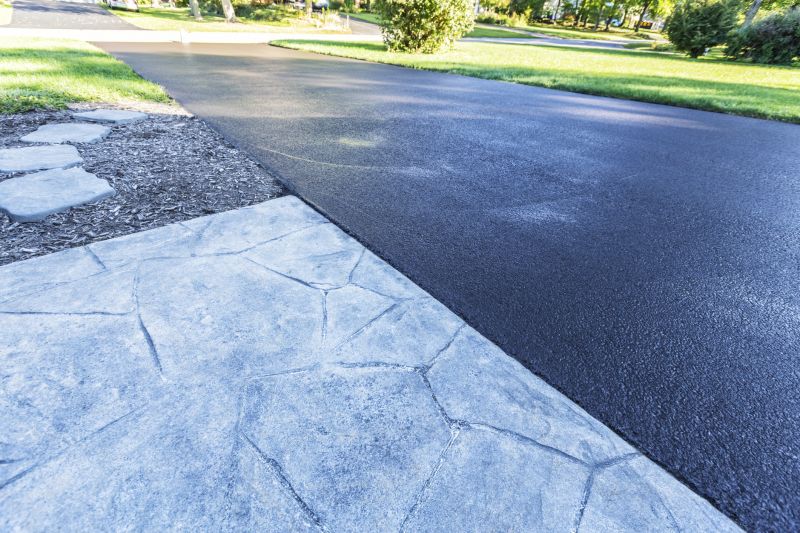
Popular materials for Stamped Asphalt Driveway Installations and why they hold up over time.
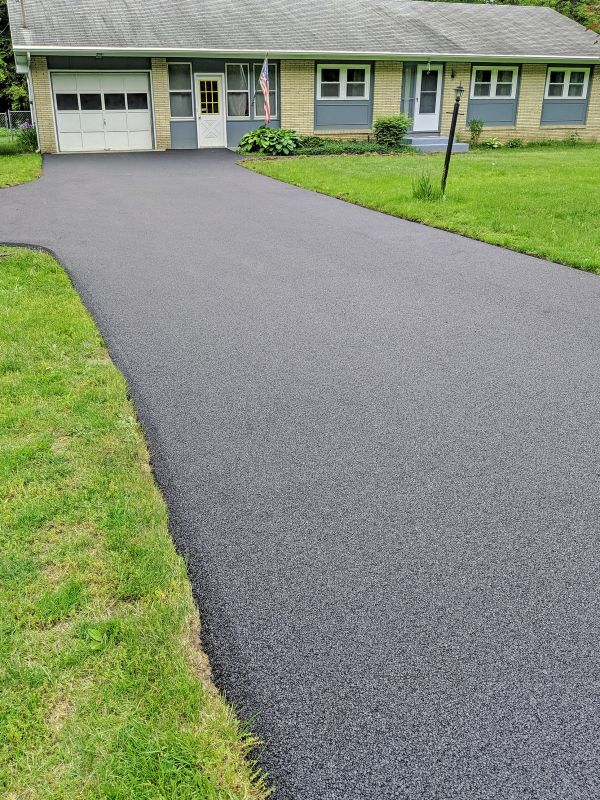
Simple add-ons that improve Stamped Asphalt Driveway Installations without blowing the budget.
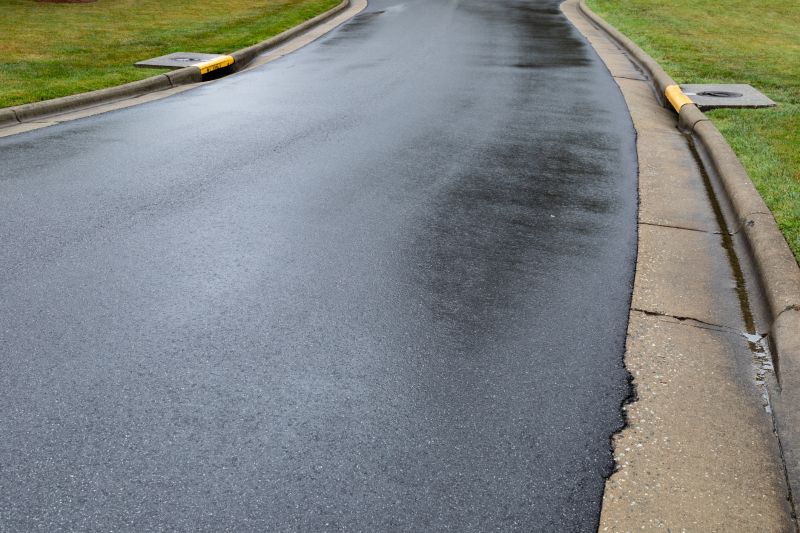
High-end options that actually feel worth it for Stamped Asphalt Driveway Installations.

Finishes and colors that play nicely with Stamped Asphalt Driveway Installations.
Stamped asphalt driveway installations are a popular choice for enhancing curb appeal and providing a durable surface. The process involves applying a colored and textured overlay to existing asphalt or new asphalt surfaces, creating patterns that mimic materials like brick, stone, or slate. Proper timing of installation can influence the longevity and appearance of the driveway. Weather conditions play a crucial role, as extreme cold or heat can impact the curing process and adhesion of the stamped overlay. Typically, installations are most successful during mild weather periods with stable temperatures and low humidity.
Mild temperatures and low humidity are ideal for stamped asphalt installation to ensure proper curing and pattern adhesion.
High temperatures can cause asphalt to soften excessively, while cold weather may hinder proper setting and bonding.
Timing can affect the installation duration, with milder seasons generally allowing for smoother, quicker application.
Proper surface preparation is essential, and timing ensures the surface is not affected by rain or frost.